
Biometric Verification in South Africa: Enhancing Security & Compliance
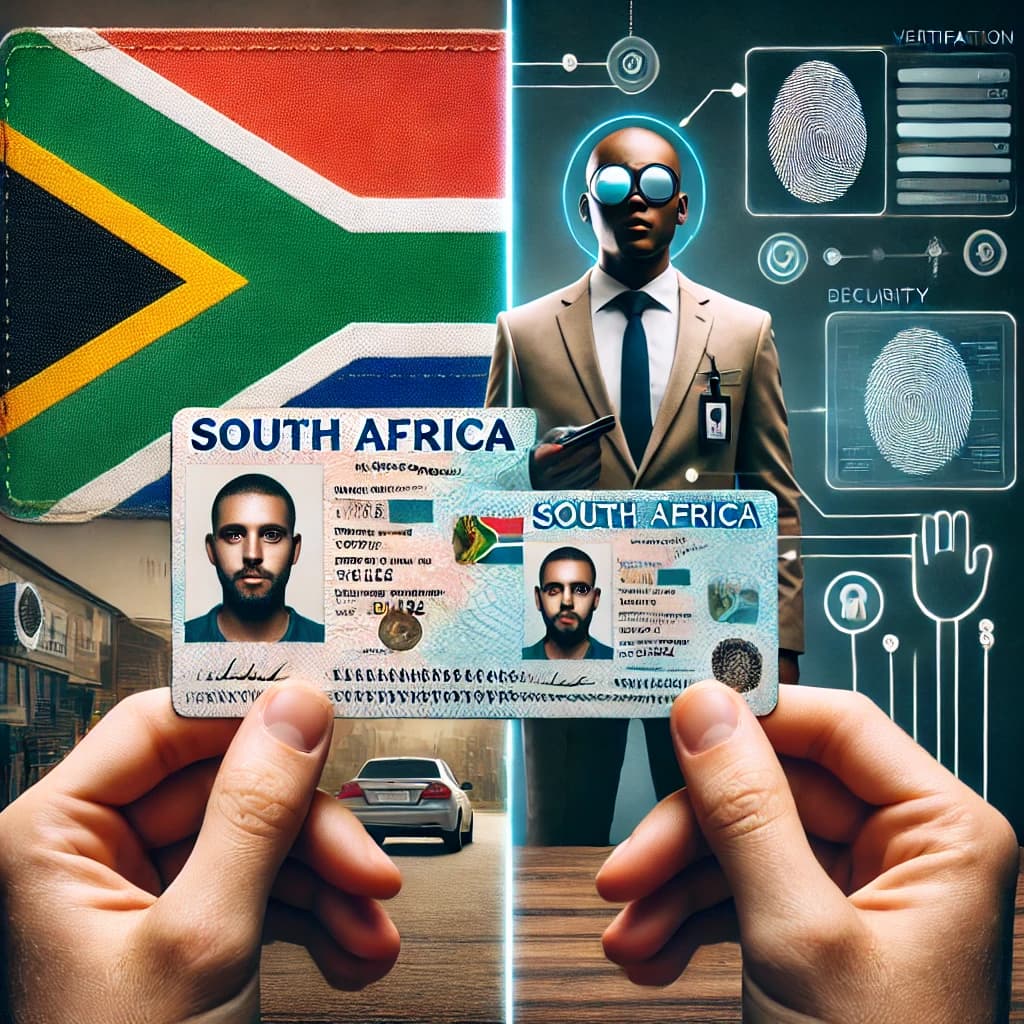
Biometric Verification in South Africa: Enhancing Security & Compliance
In today's fast-paced business landscape, robust identity verification is no longer a luxury – it's a necessity. For businesses operating in South Africa, especially those dealing with sensitive customer data and financial transactions, understanding and implementing effective verification methods is paramount. This is where biometric verification steps onto the stage, offering a powerful and increasingly vital layer of security and compliance. At VerifyNow, we're dedicated to helping you navigate these complex requirements with ease. Learn more about our comprehensive solutions at verifynow.co.za.
This comprehensive guide will delve into the world of biometric verification in South Africa, exploring its benefits, how it aligns with crucial regulations like FICA and KYC, and why it's an indispensable tool for general business operations across various sectors.
Understanding Biometric Verification in South Africa
So, what exactly is biometric verification? In simple terms, it's the process of verifying an individual's identity by measuring and analysing their unique biological or behavioural characteristics. Think of it as your fingerprint, your iris scan, or even the way you speak. These aren't just cool sci-fi concepts anymore; they are powerful tools for confirming that the person you're interacting with is who they claim to be.
In South Africa, the need for secure and reliable identity verification has never been greater. With the rise of digital transactions and the increasing sophistication of fraudulent activities, traditional methods are often no longer sufficient. Biometric verification offers a significant upgrade by moving beyond easily forged documents or stolen credentials.
Types of Biometrics Used in Verification
Biometric systems generally fall into two main categories:
Physical Biometrics: These are based on unique physical characteristics.
- Fingerprint Recognition: Perhaps the most common, this technology analyses the unique patterns of ridges and valleys on a person's fingertip.
- Facial Recognition: This method captures and analyses distinctive facial features, such as the distance between eyes, nose shape, and jawline.
- Iris Recognition: Utilises the unique and complex patterns within the iris of the eye.
- Retinal Scan: Captures the unique blood vessel patterns at the back of the eye.
- Hand Geometry: Measures the shape and size of a person's hand and fingers.
Behavioural Biometrics: These are based on unique patterns of behaviour.
- Voice Recognition: Analysing the unique characteristics of a person's voice, including pitch, tone, and cadence.
- Keystroke Dynamics: Measuring the rhythm and timing with which a person types.
- Gait Analysis: Identifying individuals by the way they walk.
For most general business applications in South Africa, fingerprint and facial recognition are the most prevalent and practical biometric methods for identity verification. They offer a good balance of accuracy, user convenience, and integration capabilities with digital platforms.
The Power of Uniqueness: Why Biometrics Work
What makes biometrics so effective? It's their inherent uniqueness and permanence. Unlike passwords or PINs that can be forgotten, written down, or stolen, your biometrics are intrinsically tied to you. This makes them incredibly difficult to replicate or spoof, providing a much higher level of assurance for Know Your Customer (KYC) and FICA compliance.
Important Compliance Note: The unique nature of biometrics significantly strengthens your ability to meet regulatory requirements for customer due diligence.
Biometric Verification and South African Compliance: FICA & KYC
In South Africa, the financial sector is heavily regulated, and compliance with laws like the Financial Intelligence Centre Act (FICA) is non-negotiable. FICA mandates that accountable institutions verify the identities of their clients and keep records of these verifications. Similarly, KYC procedures are a global standard, requiring businesses to know their customers to prevent financial crimes like money laundering and terrorist financing.
Biometric verification offers a powerful solution to meet these stringent requirements. By integrating biometric data capture and verification into your onboarding and ongoing due diligence processes, you can:
- Enhance Identity Assurance: Biometrics provide a more reliable way to confirm a customer's identity than relying solely on documents that can be counterfeited. This is crucial for FICA compliance.
- Reduce Fraudulent Applications: It becomes significantly harder for individuals to create fake identities or use stolen information when biometric verification is in place.
- Streamline Onboarding: While initial setup might seem complex, once integrated, biometric verification can speed up customer onboarding by reducing the need for manual document checks and physical presence in many cases.
- Improve Customer Experience: For legitimate customers, a smooth and secure biometric verification process can be a positive experience, building trust and confidence in your services.
How Biometrics Support FICA and KYC
Let's break down how biometric verification directly contributes to meeting these critical compliance obligations:
- Customer Due Diligence (CDD): FICA requires robust CDD. Biometrics, when used to verify a person's identity against a trusted source (like a national ID database or a verified profile), provide a strong foundation for CDD.
- Record Keeping: While FICA requires record keeping, the quality and reliability of the verified identity information are key. Biometric verification ensures the data you record is of a higher integrity.
- Prevention of Impersonation: Biometrics make it extremely difficult for individuals to impersonate others, a core concern for both FICA and KYC.
- Risk-Based Approach: Biometric verification can be a cornerstone of a risk-based approach, allowing you to apply higher levels of scrutiny where necessary.
At VerifyNow, our platform is designed to seamlessly integrate these advanced verification methods, ensuring your business remains compliant and secure. Explore our solutions at verifynow.co.za.
💡 Ready to streamline your General Business compliance? Sign up for VerifyNow and start verifying IDs in seconds.
Biometric Verification and POPIA in South Africa
Beyond FICA and KYC, any business handling personal information in South Africa must also comply with the Protection of Personal Information Act (POPIA). POPIA governs how personal information is collected, processed, stored, and shared, with a strong emphasis on consent and data security.
Biometric data, such as fingerprints and facial scans, are considered special personal information under POPIA. This means they require a higher degree of protection and specific conditions for lawful processing.
Key POPIA Considerations for Biometric Data
When implementing biometric verification, businesses must be acutely aware of their POPIA obligations:
- Lawful Basis for Processing: You need a valid legal ground to collect and process biometric data. This often involves obtaining explicit consent from the individual, clearly explaining what data is being collected, why, and how it will be used.
- Purpose Specification: The purpose for collecting biometric data must be clearly defined and communicated. It cannot be collected for one purpose and then used for another without further consent or a valid legal basis.
- Data Minimisation: Only collect the biometric data that is absolutely necessary for the stated purpose.
- Security Safeguards: Implement appropriate technical and organisational measures to secure biometric data against unauthorised access, loss, or destruction. This is critical, especially given recent increases in data breaches. The Information Regulator has emphasized the importance of reporting data breaches promptly via the POPIA eServices Portal.
- Transparency: Be transparent with individuals about the collection and use of their biometric data.
- Data Subject Rights: Individuals have rights under POPIA, including the right to access their data and the right to object to its processing.
The Role of VerifyNow in POPIA Compliance
Navigating POPIA alongside biometric verification can seem daunting. However, a robust identity verification platform like VerifyNow is built with compliance in mind. We help you implement secure biometric capture and verification processes that align with POPIA's stringent requirements. Our platform facilitates:
- Secure Data Handling: We employ industry-leading security measures to protect the biometric data processed through our system.
- Consent Management: Our tools can assist in managing consent for data processing, a cornerstone of POPIA compliance.
- Audit Trails: We provide clear audit trails, which are essential for demonstrating compliance and accountability.
Remember, non-compliance with POPIA can lead to significant penalties, including fines of up to ZAR 10 million. Proactive compliance is key.
Implementing Biometric Verification in Your Business
Adopting biometric verification is a strategic decision that can significantly enhance your business's security, efficiency, and compliance posture. However, successful implementation requires careful planning.
Benefits for General Business Operations
Biometric verification isn't just for financial institutions. Businesses across various sectors can reap substantial rewards:
- E-commerce: Securely verifying customer identities during account creation or high-value transactions.
- Telecommunications: Onboarding new subscribers and preventing SIM card fraud.
- Healthcare: Ensuring patient identity for access to medical records and services.
- Real Estate: Verifying the identity of potential buyers or tenants.
- Travel and Hospitality: Streamlining check-in processes and enhancing security.
- Gaming and Gambling: Age verification and identity checks for responsible gaming.
Key Considerations for Implementation
- Choose the Right Technology: Select biometric methods that align with your use case, customer base, and security needs. For most general business applications, facial recognition and fingerprint scanning offer a good balance.
- Integration: Ensure the biometric verification solution can be seamlessly integrated into your existing systems and workflows.
- User Experience: The process should be as intuitive and user-friendly as possible to avoid customer frustration.
- Legal and Regulatory Counsel: Always consult with legal experts to ensure your implementation fully complies with all relevant South African laws, including FICA, KYC principles, and POPIA.
- Data Security: Prioritise robust security measures to protect the sensitive biometric data you collect.
The VerifyNow Advantage: Our platform is designed for easy integration and offers a range of advanced identity verification tools, including biometric capabilities, to meet the diverse needs of South African businesses.
Frequently Asked Questions (FAQ)
Q: Is biometric verification legally permissible in South Africa?
- A: Yes, biometric verification is legally permissible in South Africa, provided it is implemented in compliance with relevant legislation such as FICA, KYC principles, and especially POPIA, which governs the processing of special personal information.
Q: How does biometric verification help with FICA compliance?
- A: Biometric verification provides a highly reliable method for confirming a customer's identity, which is a core requirement of FICA's Customer Due Diligence (CDD) obligations. It significantly reduces the risk of using fraudulent documents.
Q: What are the biggest POPIA challenges with biometrics?
- A: The primary challenges lie in obtaining valid consent, ensuring secure processing of this sensitive personal information, clearly defining the purpose of collection, and implementing appropriate safeguards.
Q: Can biometric data be stolen or misused?
- A: While biometric data is unique, it's crucial to implement robust security measures. Any system that stores data is a potential target. This is why secure platforms like VerifyNow are essential, employing advanced encryption and security protocols.
Q: How quickly can biometric verification be done?
- A: With modern technology and a well-integrated platform, biometric verification can often be completed in a matter of seconds, significantly speeding up onboarding and transaction processes.
Get Started with VerifyNow Today
In South Africa, staying ahead of compliance requirements and protecting your business from fraud is a continuous effort. Biometric verification offers a cutting-edge solution to bolster your identity verification processes, strengthen your FICA and KYC compliance, and ensure adherence to POPIA.
By partnering with VerifyNow, you gain access to a comprehensive suite of identity verification tools designed for the South African market. We empower your business to:
- Verify identities with unparalleled accuracy and speed.
- Significantly reduce the risk of fraud and identity theft.
- Streamline customer onboarding and improve user experience.
- Achieve and maintain robust compliance with FICA, KYC, and POPIA.
- Protect your business from the financial and reputational damage of data breaches.
Don't let outdated verification methods leave your business vulnerable. Embrace the future of secure identity verification.
Related Articles
- How Long Does Verifynow Consumer Trace Take In South Africa
- Kyc Standards To Follow For Highvalue Goods Transactions
- Matric Verification South Africa Fast Compliant Checks For Business
- How To Check Pep Status In South Africa Fica Kyc Guide
- Project Management Compliance A Key To Success In Professional Services
- Fica Compliance Notifications And Updates For Car Dealers
- How Does Verifynow Verify Driver Licenses In South Africa
- Travel Insurance Verification In South Africa Your Guide To Seamless Compliance With Verifynow
- Telecommunications Service Provider Compliance In South Africa
- How Verifynow Checks For Aml Peps In South Africa